 pqaoo
pqaoo
Related Articles
Have you ever looked at an empty corner of your home and imagined it filled with beautiful green plants, colorful flowers, and fresh herbs? Many people dream of having a small garden, but they do not know where to begin. Some believe gardening requires a large yard, expensive tools, or years of experience. The truth is that anyone can start gardening with a few pots, good soil, and a little patience.
Home gardening is a wonderful way to bring nature closer to your daily life. It can make your home look more attractive, provide fresh herbs and vegetables, and give you a peaceful activity to enjoy after a busy day. Even a small balcony, rooftop, window, or unused corner can become a beautiful green space.
Starting a garden does not mean buying dozens of plants at once. It means understanding what plants need and learning how to care for them. With the right approach, empty pots can slowly become a green paradise.
In this beginner’s guide to home gardening, we will explore how to choose the right plants, prepare healthy soil, select suitable pots, provide proper sunlight, water plants correctly, and avoid common gardening mistakes. By following these simple steps, you can begin your gardening journey with confidence.
Why Home Gardening Is Worth Your Time
Before planting your first seed, it is helpful to understand why gardening is such a valuable hobby. Plants do more than decorate your home. They can improve the appearance of your surroundings and create a refreshing atmosphere.
Gardening encourages you to spend time outdoors and enjoy nature. Taking care of plants can become a relaxing part of your daily routine. Watching a small seed grow into a healthy plant gives you a sense of achievement.
Another benefit of home gardening is the opportunity to grow some of your own food. You can start with simple herbs such as mint, coriander, basil, and green onions. Later, you may try growing tomatoes, chilies, lettuce, or other vegetables suitable for your climate.
Home gardening also teaches patience. Plants do not grow overnight. They need regular care, sunlight, water, and time. As you learn to understand their needs, you become more confident as a gardener.
The best part is that you do not need a perfect garden to begin. A few healthy plants are enough to create a positive change in your home.
Choose the Right Place for Your Garden
The first practical step in starting a home garden is choosing the right location. The space you select will affect the health and growth of your plants.
You do not need a large garden area. A balcony, rooftop, patio, windowsill, or small backyard can work well. The important thing is to understand how much sunlight the area receives during the day.
Most vegetables, flowering plants, and herbs need sunlight to grow properly. Some plants require several hours of direct sunlight, while others prefer partial shade. Before purchasing plants, observe your chosen space for a few days.
Think about how much sunlight reaches the area, whether rainwater collects there, and whether strong winds could damage your plants. You should also make sure that you can easily reach the pots for watering and maintenance.
If your space receives plenty of sunlight, you may grow tomatoes, chilies, basil, marigolds, and many other plants. If the area is shaded, consider plants that can tolerate lower light conditions.
A good location makes gardening easier. It also helps plants grow naturally without requiring constant adjustment.
Start Small Instead of Planting Everything
One of the most common mistakes beginners make is starting with too many plants. They purchase different seeds, large pots, fertilizers, and gardening tools without knowing how to use them. After a few weeks, the garden becomes difficult to manage.
A better approach is to begin with three to five plants. Choose varieties that are easy to grow and suitable for your local weather.
You can begin with mint, basil, coriander, marigolds, and aloe vera. These plants can help you learn basic gardening skills. You will discover how much water they need, how quickly they grow, and how sunlight affects them.
Starting small also allows you to notice problems early. If one plant develops yellow leaves or attracts insects, you can focus on solving the issue without feeling overwhelmed.
As your experience grows, you can slowly add more plants. A successful garden is not created in one day. It develops through small and consistent efforts.
Select the Best Pots and Containers
Pots are an important part of container gardening. They provide space for roots to grow and help you organize plants in small areas.
You can find gardening pots made from plastic, clay, ceramic, and other materials. Each type has its own advantages.
Clay pots are popular because they allow air to move through their sides. However, they can dry out quickly, especially during hot weather. Plastic pots are lightweight and usually retain moisture for longer periods.
When choosing a pot, always consider its size. A container that is too small may restrict root growth. A very large pot may hold excessive moisture, which can damage some plants.
Drainage is one of the most important things to check. Every gardening pot should have drainage holes at the bottom. These holes allow extra water to escape and reduce the risk of root rot.
You can also reuse safe household containers for gardening. Old buckets, wooden boxes, and suitable food containers may work well if they are clean and have proper drainage.
Avoid using containers that previously held harmful chemicals. The safety of your plants and soil should always come first.
Choose pots according to the needs of your plants. Small herbs may grow well in small containers, while tomatoes and larger vegetables need more room.
Prepare Healthy Soil for Your Plants
Healthy soil is the foundation of a successful home garden. Even if you choose excellent seeds, your plants may struggle if the soil does not provide enough nutrients, air, and moisture.
Good gardening soil should be loose, well drained, and rich in organic matter. It should allow roots to spread easily while holding enough moisture for plant growth.
A simple potting mix may include garden soil, compost, and coco peat. You can also add a suitable material such as perlite to improve drainage and air movement.
The exact mixture depends on the type of plant and the materials available in your area. Some plants prefer more moisture, while others grow better in soil that dries quickly.
Compost is especially useful because it adds organic matter and supports soil health. You can make compost from suitable kitchen and garden waste, such as vegetable peels, dry leaves, and grass clippings.
Avoid using fresh animal manure directly in pots because it may damage plant roots. Properly composted organic material is a safer choice.
Before filling your pots, remove large stones, plastic pieces, and unwanted roots from the soil. Break up hard lumps and mix the ingredients properly.
Remember that healthy soil is not necessarily the darkest soil. Its texture, drainage, and ability to support plant growth are more important.
Choose Beginner Friendly Plants
Choosing suitable plants can make your first gardening experience much easier. Some plants are sensitive and require special care, while others can tolerate small mistakes.
Beginners should select plants according to their local climate, available sunlight, and available space.
Easy Herbs to Grow
Mint is a popular choice because it grows quickly when provided with suitable moisture and light. It is best grown in a separate pot because it can spread rapidly.
Basil is another useful herb. It enjoys warmth, sunlight, and regular watering. You can use its fresh leaves in cooking.
Coriander can be grown from seeds in a container. It is useful in many meals and can provide fresh leaves for your kitchen.
Green onions are also suitable for beginners. They can grow in containers when planted in suitable soil and provided with enough sunlight.
Easy Flowering Plants
Marigolds are attractive flowers that can brighten your garden. They generally prefer sunlight and well drained soil.
Petunias can add color to balconies and patios. Their growth depends on the variety, climate, and care they receive.
Portulaca is another option for sunny areas. It can tolerate dry conditions better than many delicate flowering plants.
Easy Indoor and Shade Tolerant Plants
Snake plants are often chosen for indoor spaces because they can tolerate lower light conditions. However, they still need suitable light and should not be overwatered.
Spider plants can also be grown indoors or in shaded outdoor areas with bright indirect light.
Aloe vera is useful for beginners who want a low maintenance plant. It prefers bright light and soil that drains well.
Before buying any plant, check whether it is suitable for your climate. A plant that grows well in one region may struggle in another.
Learn How to Plant Seeds Correctly
Growing plants from seeds can be an exciting experience. It allows you to watch the complete process, from germination to maturity.
Start by choosing fresh seeds from a reliable source. Read the instructions on the seed packet because different plants have different requirements.
Fill a clean container with moist potting mix. Make small holes according to the recommended planting depth. Place the seeds inside and cover them lightly with soil.
Avoid planting seeds too deeply. Some seeds need light or shallow soil coverage to germinate properly.
Water gently after planting. A strong stream of water may move the seeds or expose them. A spray bottle or gentle watering can is often helpful.
Place the container in a suitable location with the required temperature and light. Keep the soil slightly moist, but do not allow it to become waterlogged.
Germination time varies from one plant to another. Some seeds may sprout within a few days, while others may take several weeks.
Once seedlings appear, provide enough light so they do not become weak and stretched. If several seedlings grow too close together, they may need thinning or transplanting.
Growing from seeds requires patience, but it can be one of the most rewarding parts of gardening.
Understand the Importance of Sunlight
Sunlight is essential for most plants because it provides energy for photosynthesis. Through photosynthesis, plants use light to produce the energy they need for growth.
However, not every plant requires the same amount of sunlight.
Plants such as tomatoes, chilies, marigolds, and basil generally perform well in sunny conditions. Other plants may prefer partial shade or bright indirect light.
Observe your garden throughout the day. Notice which areas receive morning sunlight and which areas become shaded later.
Morning sunlight is often gentler than strong afternoon sunlight. In hot climates, some plants may benefit from protection during the hottest part of the day.
If your plants develop pale leaves, weak stems, or slow growth, insufficient light may be one possible cause. On the other hand, scorched leaves may indicate excessive heat or direct sunlight for a sensitive plant.
Do not move plants suddenly from shade into strong sunlight. Introduce them to brighter conditions gradually when necessary.
Understanding sunlight helps you place each plant in a location where it has a better chance of growing successfully.
Water Your Plants the Right Way
Watering is one of the most important parts of plant care. Both underwatering and overwatering can cause serious problems.
Many beginners believe that plants should be watered every day. However, this is not always correct. The amount of water a plant needs depends on its size, soil, pot, weather, and type.
Before watering, check the top layer of soil with your finger. If it feels dry and the plant requires moisture, water it gently. If the soil is still wet, wait until it becomes suitable for watering.
When watering container plants, apply water slowly until some excess begins to leave the drainage holes. This helps moisten the soil more evenly.
Avoid allowing pots to sit in standing water. Excess moisture can reduce oxygen around the roots and encourage root problems.
During hot weather, plants may need more frequent watering. During cooler or rainy periods, they may need less.
Morning watering can help plants receive moisture before the heat of the day. Watering late in the evening may leave foliage wet for long periods, which can encourage certain fungal problems.
Always pay attention to your plants rather than following a fixed schedule without checking the soil.
Feed Your Plants with Suitable Nutrients
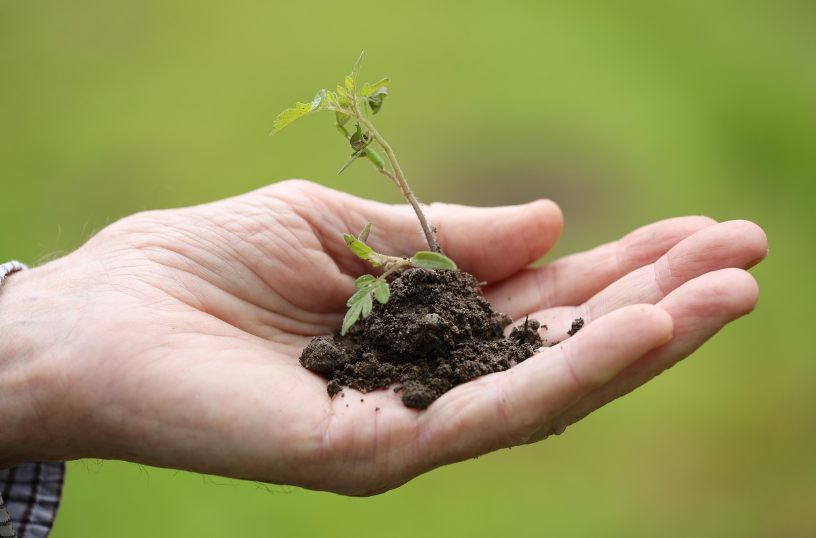
Plants need nutrients to grow healthy leaves, strong roots, flowers, and fruits. Soil may contain some nutrients, but container plants often need additional nourishment because the available soil is limited.
Compost is a useful source of organic matter and can support soil health. You may also use a suitable fertilizer according to the needs of your plants.
Do not assume that more fertilizer will produce faster growth. Excess fertilizer can damage roots and cause leaf problems.
Always follow the instructions on the fertilizer packaging. Use the recommended quantity and avoid applying fertilizer to very dry soil unless the product instructions specifically allow it.
Different plants have different nutrient requirements. Leafy herbs may benefit from balanced nutrition, while flowering and fruiting plants may need different nutrient levels during certain growth stages.
You can also improve your gardening skills by learning to identify nutrient deficiency symptoms. Yellow leaves, weak growth, and poor flowering can have several causes, including nutrient problems, unsuitable watering, pests, or insufficient light.
Before adding fertilizer, examine the overall condition of the plant. Correcting the actual problem is better than applying unnecessary products.
Protect Your Garden from Pests and Diseases
Even a small home garden may attract insects and develop plant diseases. Common garden pests include aphids, whiteflies, caterpillars, and certain mites.
The first step in pest management is regular observation. Check the underside of leaves, young shoots, stems, and the surface of the soil.
Look for signs such as small holes in leaves, sticky material on foliage, curling leaves, discolored patches, webbing, and unusual growth.
If you notice a few insects, remove them by hand when practical. You can also wash some pests away with a gentle stream of water.
Keep infected plants away from healthy plants when necessary. Remove badly damaged leaves and dispose of them properly.
Avoid using strong chemical sprays without understanding their purpose and safety instructions. Some products can harm beneficial insects, pets, children, and the environment.
Encouraging beneficial insects and maintaining healthy plants can help reduce pest problems. Good air circulation, suitable watering, clean tools, and proper spacing are also important for disease prevention.
A healthy garden does not mean a garden without insects. The goal is to maintain a balanced environment where plants can grow well.
Prune and Maintain Your Plants Regularly
Plant maintenance does not have to take hours. A few minutes of attention each day can make a noticeable difference.
Remove dry, damaged, or diseased leaves when necessary. This improves the appearance of your garden and may help prevent certain problems from spreading.
Some plants benefit from pruning because it encourages branching and creates a fuller shape. Basil, for example, can become bushier when its growing tips are harvested correctly.
Remove spent flowers from certain flowering plants to encourage additional blooms. This practice is often called deadheading.
Keep the area around your pots clean. Remove fallen leaves, weeds, and other unwanted material.
Check whether roots are growing through drainage holes. If a plant has outgrown its container, it may need to be moved into a larger pot.
Use clean tools when pruning. Dirty tools can spread plant diseases.
Remember that pruning should be suitable for the plant. Avoid cutting healthy branches without understanding how the plant grows.
Regular maintenance keeps your garden attractive and helps you notice problems before they become serious.
Make Compost at Home
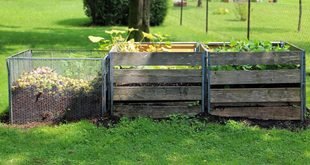
Composting is a simple way to turn suitable organic waste into useful material for your garden. It can reduce household waste and support healthier soil.
You can compost materials such as vegetable and fruit scraps, dry leaves, grass clippings, and small amounts of untreated plant waste.
A compost pile or container needs a balance of moist green materials and dry brown materials. It also requires air and suitable moisture.
Avoid adding meat, dairy products, oily food, diseased plants, or materials treated with harmful chemicals to a simple home compost system.
Composting takes time. The material gradually breaks down through the activity of microorganisms and other natural organisms.
When finished compost looks dark, crumbly, and earthy, it can be mixed into suitable garden soil.
Do not use unfinished compost directly around delicate plant roots. It may still be breaking down and could affect plant growth.
Composting is not necessary for every beginner, but it is a useful skill to develop as your garden grows.
Common Gardening Mistakes Beginners Should Avoid
Every gardener makes mistakes. The important thing is to learn from them instead of giving up.
Overwatering Plants
Too much water is one of the most common causes of unhealthy container plants. Always check soil moisture before watering.
Choosing the Wrong Plants
A plant may fail simply because it does not suit your climate or sunlight conditions. Research before purchasing.
Using Pots Without Drainage
Water trapped inside a container can damage roots. Choose pots with drainage holes.
Planting Too Many Seeds Together
Crowded seedlings compete for light, water, nutrients, and space. Give each plant enough room.
Ignoring Sunlight Requirements
A shade loving plant may struggle in strong sunlight, while a sun loving plant may become weak in deep shade.
Using Too Much Fertilizer
Excess fertilizer can burn roots and damage plants. Always follow product instructions.
Giving Up Too Early
Some plants grow slowly, and some seeds take time to germinate. Gardening requires patience and observation.
Avoiding these mistakes can make your gardening journey easier and more enjoyable.
Create a Simple Gardening Routine
A regular routine is one of the best ways to keep your garden healthy. You do not need to spend the entire day caring for plants.
A simple daily routine may include checking soil moisture, observing leaves, and removing fallen material.
Once or twice a week, inspect your plants carefully for pests, diseases, and signs of stress. Rotate pots when necessary so plants receive balanced light.
Every few weeks, check whether plants need pruning, additional compost, or larger containers.
You can keep a small gardening notebook to record planting dates, watering habits, weather conditions, and plant growth. This information can help you understand what works best in your garden.
Over time, you will notice patterns. You may discover that certain plants grow faster during particular months or that some pots dry out more quickly than others.
A gardening routine does not need to be complicated. Consistency is more important than perfection.
Grow Vegetables and Herbs for Your Kitchen
One of the most enjoyable parts of home gardening is growing food. Fresh herbs and vegetables can make your garden more useful and rewarding.
Start with plants that grow well in containers and suit your local climate. Herbs such as mint, basil, coriander, and green onions are good options for many beginners.
If you have larger containers and sufficient sunlight, you may try tomatoes, chilies, lettuce, or radishes.
Before planting vegetables, consider their growing period and space requirements. Some plants need support, while others spread across the soil.
Harvest herbs regularly when they are ready. Frequent harvesting can encourage some plants to produce new growth.
Always wash homegrown produce properly before eating it. If you use fertilizers or pest control products, follow all safety instructions and observe any recommended waiting periods.
Growing food at home may not replace grocery shopping, but it can provide fresh ingredients and a greater appreciation for the effort involved in producing food.
Make Your Garden Beautiful with Simple Ideas
A garden should not only be healthy. It should also be a place where you enjoy spending time.
You can create an attractive garden without spending a lot of money. Arrange pots according to their height, color, and shape. Place taller plants behind shorter ones so every plant remains visible.
Use shelves or stands to organize containers in small spaces. Hanging baskets can also be useful when suitable support is available.
Choose a few decorative pots or reuse safe containers creatively. A clean and organized arrangement can make even a small garden look impressive.
Add a small seating area, natural stones, or simple garden decorations if you have enough space. Avoid overcrowding the area because plants need room for growth and airflow.
If you enjoy flowers, select varieties that bloom during different seasons. This can help your garden remain colorful throughout the year.
The most beautiful garden is not necessarily the largest one. It is the garden that reflects your care, creativity, and personal taste.
Be Patient and Learn from Nature
Gardening teaches lessons that cannot always be learned from books. Sometimes a seed will not germinate. Sometimes a healthy plant will suddenly develop yellow leaves. At other times, a plant may grow better than expected.
These experiences are normal.
Instead of feeling discouraged, try to understand what happened. Did the plant receive enough sunlight? Was the soil too wet? Was the container too small? Did the weather change?
Observe your plants carefully and make small improvements.
You can also learn from experienced gardeners, gardening books, educational videos, and reliable horticultural resources. However, remember that advice should be adjusted to your own climate and growing conditions.
Gardening is a continuous learning process. Even experienced gardeners discover new techniques and face unexpected challenges.
With patience and regular care, you will gradually understand your plants better.
Conclusion
Starting a home garden from empty pots may seem like a small project, but it can lead to a meaningful and rewarding journey. You do not need expensive equipment, a large yard, or professional gardening knowledge to begin.
All you need is a suitable space, healthy soil, a few beginner friendly plants, and the willingness to learn.
By choosing the right location, selecting suitable pots, watering carefully, providing enough sunlight, and maintaining your plants regularly, you can create a beautiful green space at home.
Remember that every successful garden begins with a single plant. Your first seedling may not grow perfectly, and your first attempt may include a few mistakes. That is completely normal.
What matters is that you continue learning and caring for your plants.
With time, your empty pots can become a collection of herbs, flowers, and vegetables. Your balcony, rooftop, or backyard can slowly turn into a peaceful green paradise.
Start with one pot today. Give it proper care, and let your gardening journey grow one plant at a time.