 pqaoo
pqaoo
Related Articles

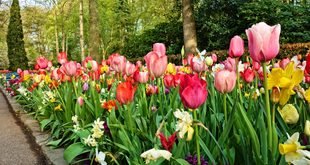

When we look at a beautiful garden, we usually notice the colorful flowers, green leaves, and healthy plants. We admire the sunlight, enjoy the fragrance, and appreciate the hard work that goes into growing everything. However, there is one important part of the garden that often goes unnoticed. That part is the soil.
Soil may look like simple dirt, but it is much more than that. Beneath the surface, there is a busy world filled with tiny organisms, plant roots, air, water, minerals, and organic matter. This hidden world plays a major role in plant growth, food production, and the health of our environment.
Understanding the secret life of soil can help gardeners grow healthier plants and create more productive gardens. Whether you are a beginner or an experienced gardener, learning how soil works can completely change the way you care for your plants.
In this article, we will explore the hidden world beneath our feet, discover why soil is important, learn about soil organisms, and understand how to improve soil health naturally.
What Is Soil and Why Is It Important?
Soil is the upper layer of the Earth where plants grow. It is made up of several different materials, including tiny rock particles, decayed plants and animals, water, air, and living organisms.
Many people think soil is simply a place where plants hold their roots. In reality, soil is a living system that supports plants in many ways.
Healthy soil provides plants with:
- Water for growth and survival.
- Essential nutrients for producing leaves, flowers, and fruits.
- Support for roots.
- Air needed by plant roots and soil organisms.
- A home for beneficial microorganisms.
- Protection against environmental stress.
Without healthy soil, even the best seeds and gardening tools cannot produce strong plants.
Soil also supports life beyond the garden. It helps filter water, stores carbon, reduces erosion, and provides a habitat for countless organisms. It is one of the most important natural resources on Earth.
The Hidden World Beneath the Surface
If we could look closely at a handful of healthy garden soil, we would discover a fascinating world. There would be tiny spaces filled with air and water, small roots searching for nutrients, and countless organisms working together.
Some of these organisms are so small that we cannot see them with the naked eye. Others, such as earthworms, ants, and small insects, are easier to notice.
Every part of this underground world has a role to play.
Plant roots absorb water and nutrients from the soil. Fungi connect with roots and help plants obtain nutrients. Bacteria break down organic materials and release important nutrients. Earthworms create tunnels that allow air and water to move through the soil.
This activity continues throughout the day and night. Even when a garden looks quiet, the soil beneath it may be full of life.
The secret life of soil is not about one particular organism. It is about the relationships between many different living and nonliving parts of the soil ecosystem.
The Role of Microorganisms in Soil Health
Microorganisms are tiny living organisms that cannot usually be seen without a microscope. They include bacteria, fungi, and other microscopic life forms.
Although they are small, microorganisms have a huge influence on soil health.
Beneficial Bacteria
Bacteria are among the most common organisms found in healthy soil. They help break down dead leaves, plant remains, and other organic materials.
When bacteria decompose these materials, nutrients are released into the soil. Plants can then absorb some of these nutrients through their roots.
Certain bacteria also help convert nutrients into forms that plants can use. For example, some soil bacteria are involved in the nitrogen cycle, which is essential for plant growth.
Nitrogen helps plants produce healthy leaves and supports important biological processes. Without enough available nitrogen, many plants may develop pale leaves and weak growth.
However, not all bacteria perform the same job. Soil contains many different types of bacteria, and their activities depend on moisture, temperature, organic matter, and other conditions.
Helpful Fungi
Fungi are another important part of the underground ecosystem. Some fungi help decompose organic matter, while others form beneficial relationships with plant roots.
One of the most interesting relationships is called mycorrhiza.
Mycorrhizal fungi grow around or inside plant roots and create a connection between the plant and the surrounding soil. Their fine structures can explore areas that plant roots cannot easily reach.
In many cases, these fungi help plants obtain water and nutrients, especially phosphorus. In return, the plant supplies the fungi with energy produced through photosynthesis.
This relationship is an excellent example of cooperation in nature.
A healthy garden does not need to be completely free of fungi. Instead, gardeners should understand that some fungi are valuable partners for plants.
Earthworms: Nature’s Soil Engineers
Earthworms are among the most familiar creatures found in garden soil. Many gardeners consider them a sign of healthy soil, and there is a good reason for that.
Earthworms move through the soil as they search for food. Their movement creates small channels that can improve soil structure and help water and air move through the ground.
They also consume organic materials, including decaying leaves and other plant remains. As these materials pass through their bodies, they are broken down into nutrient rich castings.
Earthworm castings contain organic matter and nutrients that can benefit plants. They can also improve the structure of soil when added in suitable amounts.
Earthworms are especially helpful in soils that contain organic matter and have enough moisture. However, not every soil environment is suitable for them.
For example, extremely dry, heavily compacted, or chemically disturbed soil may support fewer earthworms.
To encourage earthworms, gardeners can add compost, leave some organic material on the soil surface, and avoid unnecessary disturbance of the soil.
These simple practices help create a more suitable environment for earthworms and other beneficial organisms.
Soil Is a Home for Many Other Creatures
Earthworms and microorganisms are only a small part of the soil community. Many other creatures contribute to the health of the underground ecosystem.
Ants create tunnels and move organic materials through the soil. Some insects spend part of their life cycle underground. Tiny mites and springtails help break down dead plant material and support decomposition.
Small soil animals also become food for other organisms. In this way, they contribute to the underground food web.
A food web describes how living organisms are connected through feeding relationships. In soil, dead leaves and organic matter provide food for decomposers. These decomposers support other organisms, which may become food for larger creatures.
This constant movement of energy helps keep the soil ecosystem active.
Not every insect or soil creature is harmful to plants. Some insects may damage roots, but many others are harmless or beneficial.
Instead of trying to remove every insect from a garden, it is better to understand which organisms are causing problems and which ones are helping the soil.
Organic Matter: The Food of Healthy Soil
Organic matter is one of the most important ingredients in productive garden soil.
It comes from materials that were once alive, such as fallen leaves, grass clippings, dead roots, kitchen plant scraps, and animal remains.
As these materials decompose, they become part of the soil. Some organic matter breaks down quickly, while other materials remain in the soil for a longer period.
Organic matter supports soil life by providing food for microorganisms and other decomposers.
It also helps improve soil structure. In sandy soil, organic matter can help improve moisture retention. In clay soil, it can help create a more open structure that allows air and water to move more easily.
Compost is one of the best ways for gardeners to add organic matter to their soil.
Well prepared compost can be made from materials such as:
- Dry leaves.
- Vegetable scraps.
- Grass clippings.
- Small plant stems.
- Coffee grounds in moderate amounts.
- Other suitable biodegradable garden materials.
Compost should be properly decomposed before it is used around plants. Fresh organic materials may temporarily compete with plants for nutrients or attract unwanted pests.
Adding compost regularly can help improve soil fertility and support the organisms that make soil healthy.
The Importance of Soil Structure
Soil structure refers to the way soil particles come together to form small groups called aggregates.
These aggregates create spaces between soil particles. The spaces allow air and water to move through the soil.
Good soil structure is important because plant roots need both water and oxygen. If soil becomes too compacted, roots may struggle to grow and absorb nutrients.
Compacted soil can also reduce drainage and make it difficult for earthworms and other organisms to move.
Several factors influence soil structure, including organic matter, soil texture, moisture, and biological activity.
Earthworms, plant roots, and microorganisms can all contribute to the development of healthy soil structure.
Gardeners can protect soil structure by avoiding unnecessary digging, preventing heavy foot traffic on planting beds, and adding organic matter when needed.
Using raised beds or designated walking paths can also reduce compaction in garden areas.
Healthy soil is not necessarily loose and powdery. Instead, it should have a balanced structure that allows roots, air, and water to move comfortably.
Soil Texture: Sand, Silt, and Clay
Soil texture describes the size of the mineral particles found in soil. The three main particle types are sand, silt, and clay.
Sandy Soil
Sandy soil contains relatively large particles. Water usually drains through it quickly, and it may warm up faster in spring.
However, sandy soil often has difficulty holding moisture and nutrients. Adding compost and other suitable organic materials can improve its ability to support plants.
Silty Soil
Silty soil contains smaller particles than sand. It can hold more moisture and nutrients than sandy soil.
However, silty soil may become compacted or erode easily if it is not managed carefully.
Clay Soil
Clay soil contains very small particles. It can hold water and nutrients effectively, but it may drain slowly and become difficult to work when wet.
When clay soil dries, it may become hard and form large cracks.
Adding organic matter can help improve the structure of clay soil over time.
Loamy Soil
Loam is often considered excellent for gardening because it contains a balanced mixture of sand, silt, and clay.
It can hold moisture while still allowing drainage and air movement.
However, not every plant requires loamy soil. Some plants naturally grow in sandy, rocky, acidic, or other specialized soil conditions.
The best soil for a garden depends on the plants being grown.
The Soil Food Web
The soil food web is a network of relationships between organisms living in the soil.
At the beginning of this process are organic materials such as fallen leaves, dead roots, and other plant remains.
Bacteria and fungi break down these materials. Small organisms feed on bacteria, fungi, and decaying matter. Larger organisms feed on these smaller creatures.
As organisms grow, feed, and eventually die, nutrients move through the ecosystem.
This process helps recycle important elements such as nitrogen, phosphorus, and carbon.
The soil food web is important because it connects decomposition, nutrient cycling, plant growth, and the wider environment.
A garden with a healthy soil food web can often support strong plant growth with less dependence on unnecessary chemical inputs.
However, soil organisms do not replace the need for proper plant care. Plants still require suitable sunlight, water, nutrients, and protection from serious pests and diseases.
How Plants Communicate With Soil Organisms
Plants may appear to grow independently, but their roots interact with the soil in many interesting ways.
Plant roots release substances into the surrounding soil. These substances can influence microorganisms and help create a special area called the rhizosphere.
The rhizosphere is the region of soil directly affected by plant roots.
In this area, roots and microorganisms interact closely. Some microorganisms receive food from the plant, while others help make nutrients available.
Plants can also respond to changes in their environment. When roots encounter poor conditions, such as drought or nutrient shortages, plants may change their growth patterns and chemical activity.
These interactions show that soil is not simply a storage place for nutrients. It is an active environment where plants and microorganisms influence one another.
Learning about the rhizosphere helps gardeners understand why protecting roots and improving soil biology can make a difference in plant health.
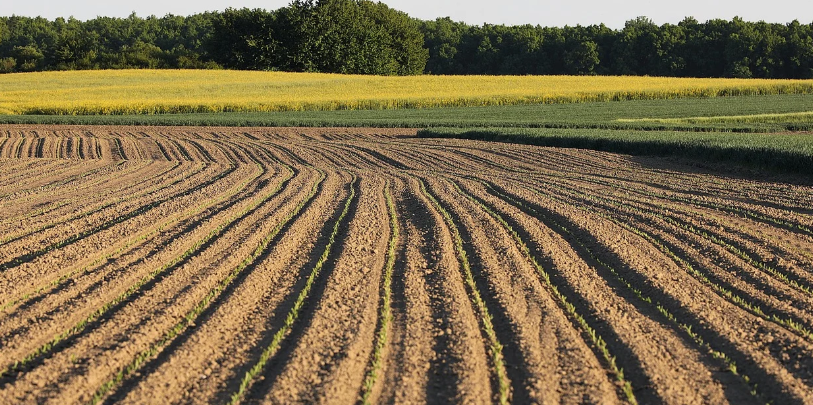
Why Soil Moisture Matters
Water is essential for soil life. Plant roots need water to absorb nutrients and carry out important biological processes.
Soil organisms also require moisture to survive and remain active.
However, too much water can be harmful. When soil remains waterlogged, many of the spaces between soil particles become filled with water instead of air. This reduces oxygen availability and can damage plant roots.
On the other hand, extremely dry soil can slow microbial activity and make it difficult for plants to absorb water.
The goal is to maintain a healthy balance.
Gardeners can improve soil moisture management by adding organic matter, using mulch, and watering plants according to their needs.
Mulch can help reduce evaporation from the soil surface. It may also protect soil from extreme temperatures and heavy rainfall.
Different plants require different amounts of water, so watering practices should always be adjusted to the garden’s conditions.
The Relationship Between Soil and Plant Roots
Plant roots are closely connected to soil health. They anchor plants, absorb water, and take in nutrients.
Healthy roots need enough space to grow. They also need oxygen and suitable moisture conditions.
When soil is compacted, roots may become shallow or struggle to move through the ground. Poor drainage can also damage roots.
Plants with healthy root systems are often better able to absorb resources and withstand environmental stress.
Roots also contribute to soil health. As roots grow, they create channels in the soil. When roots die and decompose, they add organic matter.
Some roots release substances that support microorganisms near the plant.
This relationship between roots and soil is one of the most important parts of the secret life of soil.
How to Improve Soil Health in Your Garden
Improving soil health does not always require expensive products or complicated methods. Simple, consistent practices can make a meaningful difference.
Add Compost
Compost supplies organic matter and supports soil organisms. Add a suitable amount to garden beds before planting or during soil preparation.
Use Organic Mulch
Materials such as dry leaves, straw, and untreated wood chips can help protect the soil surface.
Mulch reduces moisture loss and may gradually contribute organic matter as it breaks down.
Keep mulch away from direct contact with plant stems to reduce the risk of excessive moisture and certain plant problems.
Avoid Unnecessary Digging
Frequent digging can disturb soil organisms and damage existing soil structure.
Use gentle cultivation when needed, and avoid working soil when it is excessively wet.
Prevent Soil Compaction
Try not to walk repeatedly on planting beds. Use pathways to protect areas where plants are growing.
Grow Cover Crops
Cover crops are plants grown to protect and improve soil between main crops. Depending on the species, they may help reduce erosion, add organic matter, and support beneficial organisms.
Keep the Soil Covered
Bare soil is more vulnerable to erosion, moisture loss, and temperature changes.
Growing plants or using suitable mulch can help protect the soil surface.
Test Your Soil
A soil test can provide useful information about pH and nutrient levels. This helps gardeners make better decisions about fertilizers and soil amendments.
Instead of adding products without knowing what the soil needs, testing can help prevent unnecessary applications.
Common Mistakes That Damage Soil
Some gardening habits can reduce soil health over time.
One common mistake is using too much chemical fertilizer. Fertilizers can be useful when applied correctly, but excessive amounts may harm plants, disturb soil chemistry, or contribute to water pollution.
Another mistake is overwatering. Constantly wet soil can reduce oxygen levels and damage plant roots.
Removing every fallen leaf from the garden can also reduce the organic materials available to soil organisms.
Heavy digging, frequent soil disturbance, and walking on wet garden beds can contribute to compaction.
Using poorly prepared compost may introduce weed seeds, unpleasant odors, or harmful organisms.
Gardeners should also avoid assuming that every natural product is automatically safe or beneficial. Even organic materials need to be used properly.
The best approach is to observe the garden, understand the soil, and make changes based on actual needs.
Soil and the Environment
Healthy soil is important not only for gardens but also for the entire planet.
Soil stores carbon in organic matter and helps regulate the movement of water through landscapes.
Plants growing in healthy soil can help reduce erosion by holding the ground with their roots.
Soil also filters water as it moves through different layers. This process can help remove certain pollutants and improve water quality.
When soil is damaged by erosion, pollution, or poor management, these natural functions may become weaker.
Protecting soil is therefore an important part of environmental conservation.
Gardeners can contribute by using compost, reducing erosion, protecting soil from unnecessary disturbance, and growing a variety of plants.
Even a small garden can become part of a larger effort to protect natural resources.
The Connection Between Soil and Food Production
Almost everything we eat depends directly or indirectly on healthy soil.
Vegetables, fruits, grains, and many other crops require suitable soil conditions to grow.
When soil loses nutrients or becomes severely degraded, crop production may decline.
Healthy soil helps farmers and gardeners produce food more efficiently. It also supports beneficial organisms that contribute to nutrient cycling and plant health.
Improving soil health can reduce the need for unnecessary inputs and help gardens remain productive over time.
For home gardeners, this means that caring for soil is just as important as choosing quality seeds or providing enough sunlight.
A healthy garden begins beneath the surface.
How to Observe the Secret Life of Soil
You do not need special scientific equipment to begin learning about soil.
Start by observing the soil in your garden.
Look for earthworms, small insects, plant roots, and signs of organic matter. Notice whether the soil is hard, loose, dry, or moist.
You can also observe how quickly water enters the soil after watering.
If water remains on the surface for a long time, the soil may have drainage or compaction issues.
Another useful activity is to examine a small amount of soil in your hand. Healthy soil often contains a mixture of particles and organic materials. It may have a pleasant earthy smell.
You can also compare soil from different areas of your garden. One section may contain more roots, while another may be more compacted or dry.
These simple observations can help you understand what your garden needs.
Remember to wash your hands after handling soil, especially if you have been working with compost or animal manure.
Frequently Asked Questions About Soil Health
Why is soil important for plants?
Soil provides plants with support, water, nutrients, and a place for roots to grow. It also contains organisms that help recycle nutrients and improve soil conditions.
How can I make poor soil better?
You can improve soil by adding suitable compost, using mulch, preventing compaction, and choosing plants that match your soil conditions. A soil test can help identify nutrient or pH problems.
Are earthworms good for garden soil?
Earthworms can improve soil structure by creating channels and processing organic materials. They are often helpful in suitable garden environments.
What is the best soil for gardening?
Many garden plants grow well in loamy soil because it can provide a balance of drainage, moisture retention, and nutrient storage. However, the best soil depends on the specific plants you want to grow.
Can soil be alive?
Yes. Healthy soil contains many living organisms, including bacteria, fungi, earthworms, insects, and other creatures. These organisms interact with minerals, water, air, and organic matter.
How often should I add compost?
The amount and frequency depend on your soil condition, the plants you grow, and the type of compost. A modest application of well prepared compost can be useful, but adding excessive amounts is not always better.
Final Thoughts
The secret life of soil reminds us that a garden is much more than what we see above the ground. Beneath every flower, vegetable, and tree, there is a complex system working to support life.
Bacteria break down organic materials. Fungi cooperate with plant roots. Earthworms create pathways through the soil. Roots absorb nutrients and release substances that influence microorganisms.
All these activities help create a healthy environment for plants.
When gardeners understand soil, they can make better decisions about watering, composting, mulching, and planting. They also become more aware of the importance of protecting the natural world.
The next time you walk through your garden, take a moment to look at the soil. It may seem quiet and ordinary, but beneath the surface, a remarkable world is always active.
Healthy soil is the foundation of a healthy garden. When we care for the soil, we give our plants a better chance to grow, thrive, and produce beautiful results.